Skip to content

How online platforms bury fees until the last possible moment
There is a special kind of frustration reserved for the moment you reach the final page of an online booking, only to discover the price has somehow increased by 20% since you started.
I want to be clear: I’m not singling out Expedia unfairly. This is an industry-wide practice. But Expedia is one of the biggest platforms in the world, and the gap between advertised price and final price on their platform is, in my view, one of the most consumer-hostile practices in modern e-commerce.
The Drip Pricing Problem
The practice has a name: drip pricing. It refers to the technique of advertising a headline price and then gradually adding mandatory fees—taxes, booking fees, service charges, and resort fees—as the consumer moves through the checkout process. By the time the real price is revealed, the consumer has invested time and effort into the booking and is psychologically primed to complete it rather than start again.
The CMA has explicitly identified drip pricing as a harmful practice. In 2023, the UK government consulted on giving the CMA new powers to crack down on it. The EU has gone further—the Omnibus Directive, implemented in 2022, requires that the total price, including all mandatory fees, be displayed upfront.
In the UK, the Consumer Protection from Unfair Trading Regulations 2008 prohibit misleading commercial practices. Advertising a price that most consumers won’t actually pay is, at minimum, arguable as a misleading action. Yet the practice continues, largely because enforcement is slow and penalties, historically, have not been proportionate to the profits involved, which allows companies to benefit financially from misleading advertising without facing significant consequences, leading to consumer distrust and potential financial loss for individuals like those who, for example, may have overpaid for travel packages due to inflated prices.
The Expedia Experience
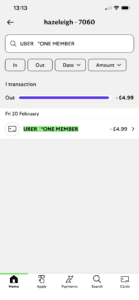
I paid for my son’s trip to the USA. I was in a rush, and when he sent me the payment slip, I mistakenly entered my name by mistake. Silly schoolboy mistake which I saw once the email came in to me. However, nowhere in the terms does it say that no refund shall be given, so Expedia has now had the benefit of all my flight money. That cannot be right or fair for any consumer.
The Legal Exposure
Expedia operates under a complex web of jurisdictions, with its European operations headquartered in Geneva. This matters because it affects which consumer protection laws apply and which regulators have jurisdiction. For UK consumers post-Brexit, the position is somewhat complicated — we have our own robust consumer protection framework, but cross-border enforcement remains challenging, particularly in cases where UK consumers are misled by foreign companies operating in the UK market, such as when these companies fail to comply with UK advertising standards or provide misleading information about their products or services.
That said, the UK’s Consumer Protection from Unfair Trading Regulations are clear. A commercial practice is misleading if it causes, or is likely to cause, the average consumer to make a transactional decision they would not otherwise have made. Displaying a price that doesn’t reflect the true cost of a booking fits that definition neatly.
What Should You Do?
Always scroll to the final checkout page before committing to anything. Take a screenshot of the price at each stage. Uncheck any pre-selected optional extras. If you believe you’ve been misled about the true cost, you can raise a complaint with Expedia and, if unresolved, escalate to an Alternative Dispute Resolution (ADR) scheme or the courts. Personally, I am going to sue them in the small claims court. See what a district judge will say.
For business travellers booking through corporate accounts, the picture is slightly different—business-to-business contracts carry different protections, and the unfair terms provisions of consumer law don’t directly apply, which means that businesses may have less recourse in disputes compared to individual consumers. If your business regularly books through OTAs (online travel agencies), it’s worth having your standard booking terms reviewed.
At Stay Legal, we help businesses and individuals understand their rights under consumer protection and commercial contract law. Visit staylegal.co.uk to learn more about our assistance if you’ve fallen victim to hidden fees or misleading pricing.